Daily Movement for Weight Management■Low-Impact Activity Benefits■Walking and Weight Balance■Gentle Exercise Approach■Sustainable Movement Practice■Non-Gym Fitness■Movement Habits■Outdoor Activity■Daily Movement for Weight Management■Low-Impact Activity Benefits■Walking and Weight Balance■Gentle Exercise Approach■Sustainable Movement Practice■Non-Gym Fitness■Movement Habits■Outdoor Activity■
Steps per day — a widely referenced daily movement target
30
Minutes of low-impact activity associated with everyday energy balance
3×
Weekly outdoor sessions observed in sustained movement habit studies
12 wk
Consistent period before a movement pattern becomes a reliable routine
Figures drawn from published public-health research. Galvorn Notebook curates these as editorial reference points — not as performance targets.
04
Editorial Perspective
Low-Impact Activity and Its Relationship to Everyday Energy Balance
"The most effective movement routine is the one that can be repeated on an ordinary Tuesday — not the one designed for a peak performance week."
— Galvorn Notebook Editorial
Research into movement patterns and weight management increasingly points away from high-intensity intervals and toward a simpler question: what is the cumulative effect of ordinary daily movement? Walking to a local shop, a short stretching sequence before sitting at a desk, twenty minutes in a nearby park — these light-activity contributions to energy expenditure matter more than the gym visit that happens once a fortnight.
Galvorn Notebook examines these patterns through an editorial lens, reviewing published research and observational notes gathered in urban settings — primarily London, where green space and pavements offer ready infrastructure for functional movement patterns.
Consistent daily steps form the foundation of a sustainable movement practice. Research on step count and weight balance reviewed without performance pressure.
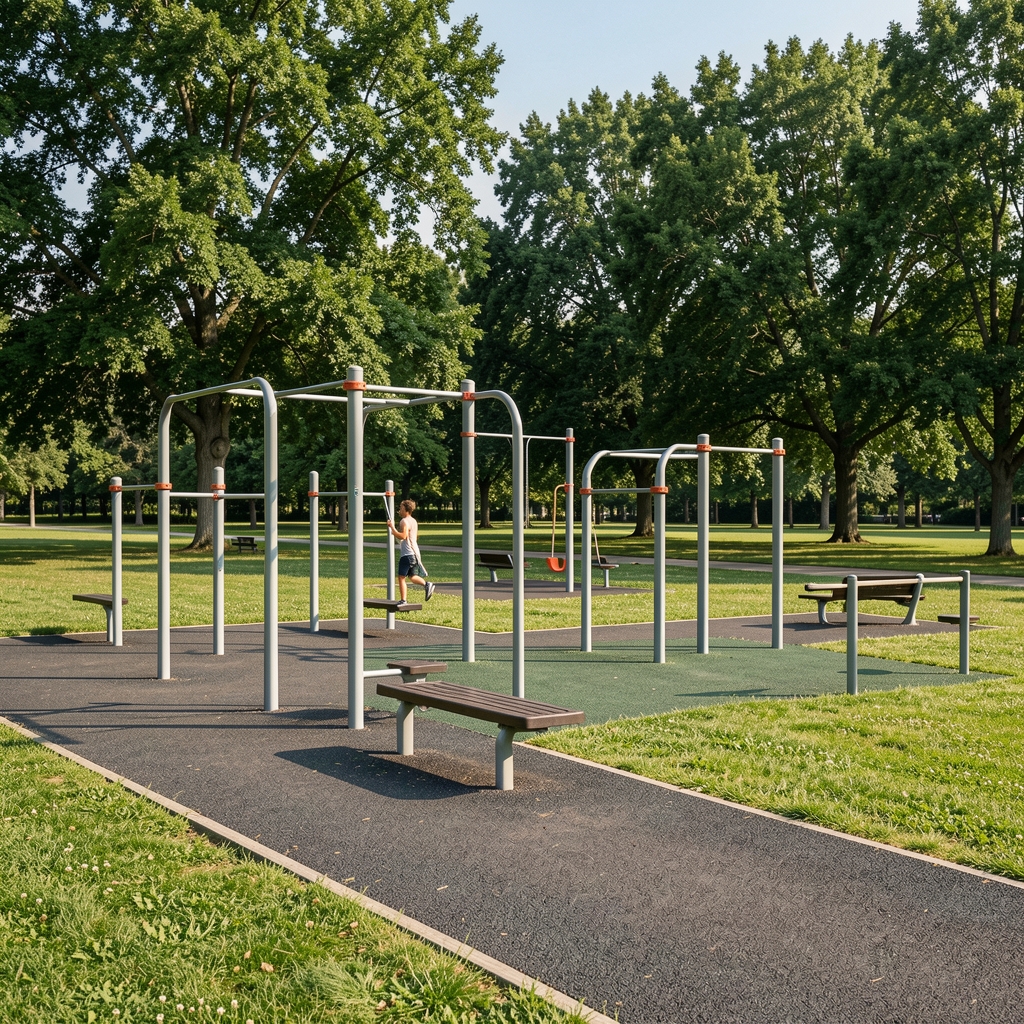
Outdoor & Park Activity
Park-based exercise and outdoor movement patterns — observations on how green space access shapes low-intensity exercise rhythm in urban environments.
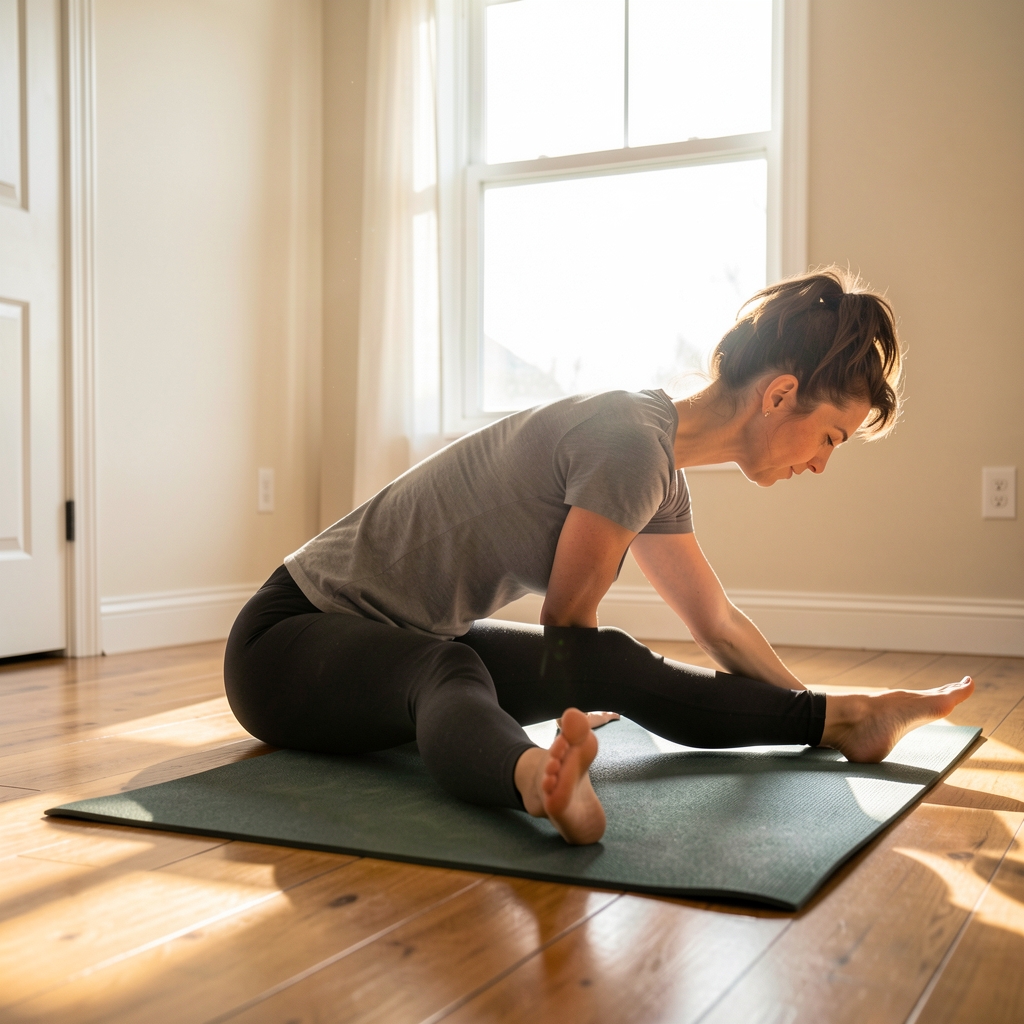
Movement Breaks at Home
Household activity and energy balance — short movement intervals woven into a working day, with notes on stretching, mobility, and bodyweight movement.
Morning Movement Routine
Early-day activity and its role in establishing a sustainable daily rhythm — from gentle morning walks to functional movement patterns before the working day begins.
Light Activity & Metabolism
Notes on light activity and metabolic support — reviewing evidence-informed research on how non-gym fitness and everyday movement habits contribute to energy expenditure.
Functional Movement Patterns
Bodyweight movement and functional exercise reviewed through a daily-habit lens — the case for gradual, consistent practice over dramatic periodic effort.
06
"Sustainable movement practice begins with the question of what fits a real week — not an ideal one."
Galvorn Notebook — Editorial Position, 2026
07
Common Questions
Galvorn Notebook is an independent editorial publication focused on everyday movement and its contribution to weight balance. The publication covers walking rhythms, low-impact activity, functional movement patterns, and the habits that make daily movement sustainable — without requiring gym membership or high-performance schedules.
Articles are selected based on published research, observational notes, and editorial review. Each piece undergoes a second editorial check before publication. Sources are cited where appropriate, and writers disclose any commercial relationships that could influence their selection of subject matter. See the Methodology page for the full process.
Articles published on Galvorn Notebook are editorial in nature and reflect the writers' observations on everyday wellness practices. The content is not intended as professional advice, nor as guidance for the management of any specific condition. Readers with specific concerns about their daily routines are encouraged to speak with a qualified wellness professional.
Low-impact activity refers to movement that places minimal stress on joints — walking, stretching, or bodyweight movement that avoids repetitive impact. Low-intensity exercise refers to effort level, typically below 50% of maximum heart rate. The two often overlap in everyday movement but are distinct: a brisk park walk can be low-impact while still reaching moderate intensity.
Household activity — sometimes described as non-exercise activity thermogenesis — represents the cumulative energy expenditure of ordinary daily tasks: cleaning, cooking, carrying, climbing stairs. Research suggests this background movement can account for a significant portion of daily energy use, making it a relevant factor in weight balance for people who do not engage in structured exercise.
The editorial team can be reached by email at [email protected] or by calling +44 20 7483 9265 during office hours (Monday to Friday, 09:00 – 18:00). The office is located at 54 Prior Street
This site uses cookies to improve your reading experience and to understand how visitors engage with our content. Learn more