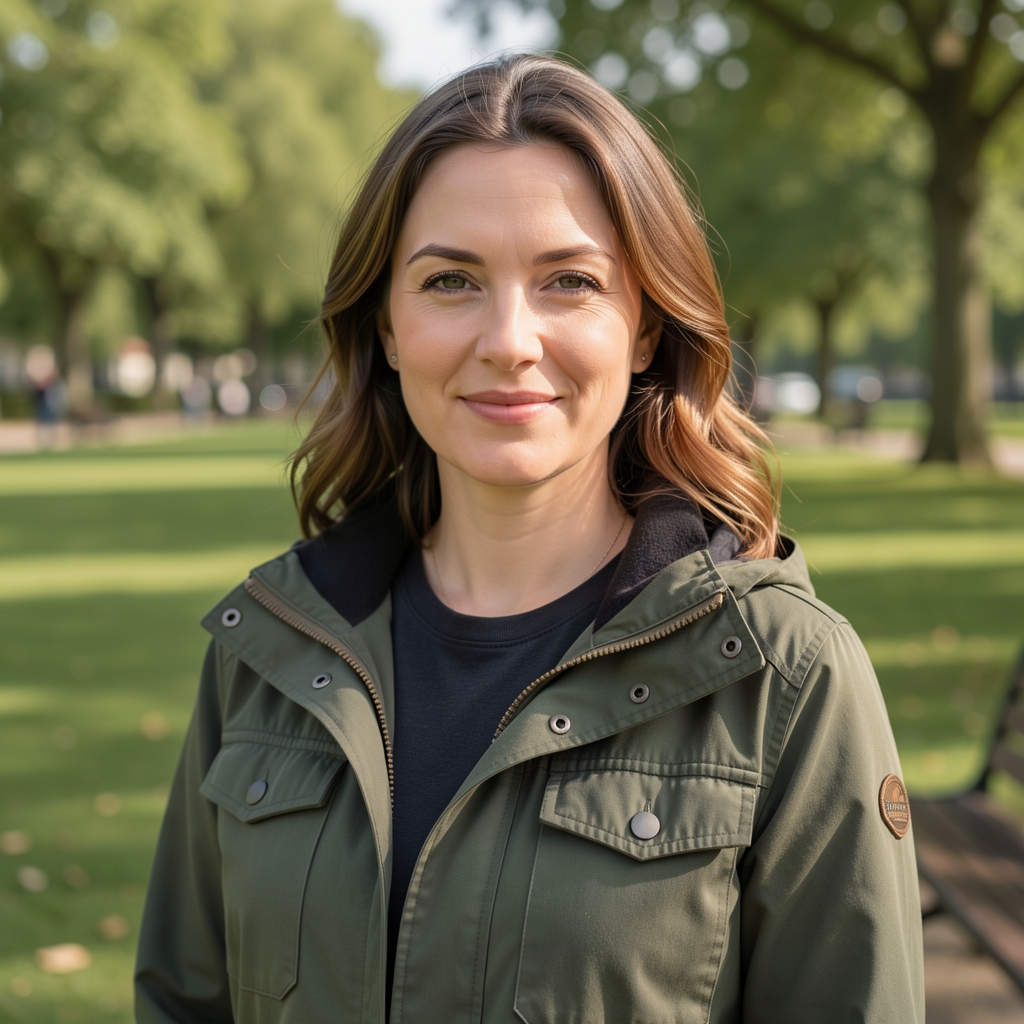
Galvorn Notebook began as a record of field observations — walks logged, routines tracked, patterns noted across seasons. It has grown into an independent editorial platform attended by readers who share a preference for sustainable low-impact practice over high-intensity approaches.
Based in Clerkenwell, London. Published since 2024. No commercial affiliation.
The notebook format was deliberate. Before any articles were commissioned, the founding editors kept personal records: daily step counts, weekly walking routes through parks, notes on how mornings felt after a stretching session versus a static one. The discipline of recording, rather than optimising, turned out to be the subject.
Movement for weight balance is often discussed in the register of performance — targets to hit, deficits to achieve, intensities to sustain. That register describes a minority of how most people actually move. Galvorn Notebook was founded to occupy the quieter register: the morning circuit around a park, the walk taken instead of a second coffee, the ten minutes of floor stretching that made a long desk day more manageable.
Articles are selected for their relationship to published research — not as specialist summary, but as editorial interpretation. The writers on this publication read the research and write from it in plain language, noting where the evidence is strong, where it is preliminary, and where it simply provides useful framing for daily decisions.
"The discipline of recording, rather than optimising, turned out to be the subject."

The relationship between daily walking volume and energy balance is one of the most studied areas in low-intensity movement research. Galvorn Notebook documents findings from published research and translates them into readable editorial: what the step-count studies show, what they leave open, and how the numbers relate to realistic daily patterns rather than lab conditions.
Mobility work occupies an underexplored position in the everyday fitness discussion — neither cardio nor strength, it sits at the intersection of recovery, posture, and range of motion. Articles in this category look at how short daily stretching sessions, bodyweight movement patterns, and functional exercises integrate into a full working day without requiring dedicated gym time.
Urban green space is a resource for consistent low-intensity exercise that is frequently overlooked in favour of gym memberships. Galvorn Notebook covers park-based movement patterns, outdoor walking routes, and the role of natural environment in sustaining an activity habit — drawing on both urban planning research and the first-hand observations of contributing writers.
Background movement — cooking, cleaning, carrying, taking stairs — represents a meaningful share of daily energy expenditure for many people. This category covers the research on non-exercise activity and its relationship to weight balance, with particular attention to how household routines can be structured to increase their movement contribution without formal exercise sessions.
The gap between knowing that daily movement is beneficial and actually sustaining it across weeks and months is a documented behavioural challenge. Galvorn Notebook writes about how habits form around consistent activity, what interrupts them, and what the research suggests about the difference between approaches that hold over time and those that do not.
A structured morning movement routine — even fifteen minutes of floor-based mobility or a twenty-minute park walk — is one of the more robust anchors for consistent daily activity. Articles in this category explore what the published literature says about morning activity, how it interacts with the body's circadian rhythm, and what makes a morning routine durable rather than aspirational.
Eleanor has written about everyday wellness and urban movement for over eight years. Her work draws on published research in sports science and behavioural habit formation. She contributes the majority of feature articles to Galvorn Notebook and oversees editorial standards.
Tobias specialises in the intersection of urban design and everyday activity patterns. His articles focus on stretching, mobility, and the role of the built environment — particularly parks and public space — in supporting habitual low-impact movement.
Harriet contributes occasional long-form pieces drawn from her background in behavioural research and her personal practice of park-based outdoor activity. Her writing considers why some movement habits persist and others dissolve, with specific attention to outdoor and environment-linked routines.
Jasper reviews the published research referenced in Galvorn Notebook articles before publication, checking that citations are used accurately and that findings are represented within their stated scope. He does not write first-draft articles; his role is the second editorial pass on any piece that cites scientific sources.
Galvorn Notebook is an independent editorial publication focused on everyday wellness practices. The publication is not affiliated with any commercial, governmental, or institutional body.
Articles published here are editorial in nature and reflect the writers' observations on everyday wellness practices. The content is not intended as professional advice, nor as guidance for the management of any specific condition. Readers with specific concerns about their daily routines are encouraged to speak with a qualified wellness professional.
Every article undergoes review by at least one second editor before publication. Research sources are cited where appropriate, and corrections are noted publicly.
Writers disclose any commercial relationships that could influence their selection of subject matter. Galvorn Notebook accepts no sponsored content or affiliate arrangements.
Coverage is limited to low-impact and low-intensity everyday movement. Performance sport, strength training, and high-intensity programming are outside the scope of this publication.
The methodology page describes the full process: how article topics are identified, how research is reviewed, how claims are assessed before publication, and what the correction process looks like when an error is found.